

Updated October 2026
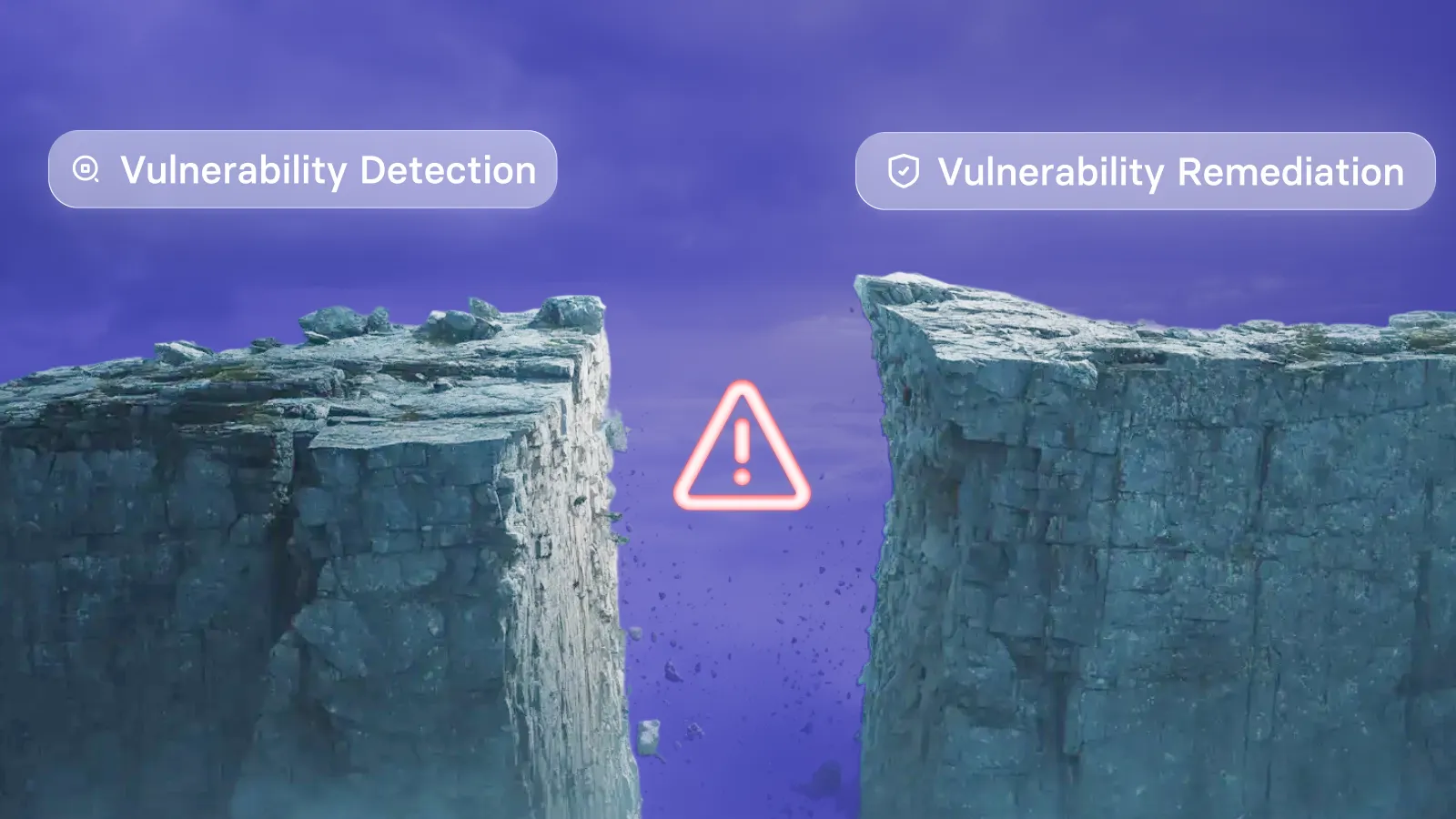
The top vulnerability management platforms for 2026 are Vicarius vRx, Tenable Vulnerability Management, Qualys VMDR, Rapid7 InsightVM and Exposure Command, ManageEngine, SecPod Saner, CrowdStrike Falcon Exposure Management, Microsoft Defender Vulnerability Management, Automox and Nucleus Security. Most of them detect vulnerabilities well. What separates them is what happens next: whether patching is built in or bolted on through a partner, and what you can do when no patch exists.
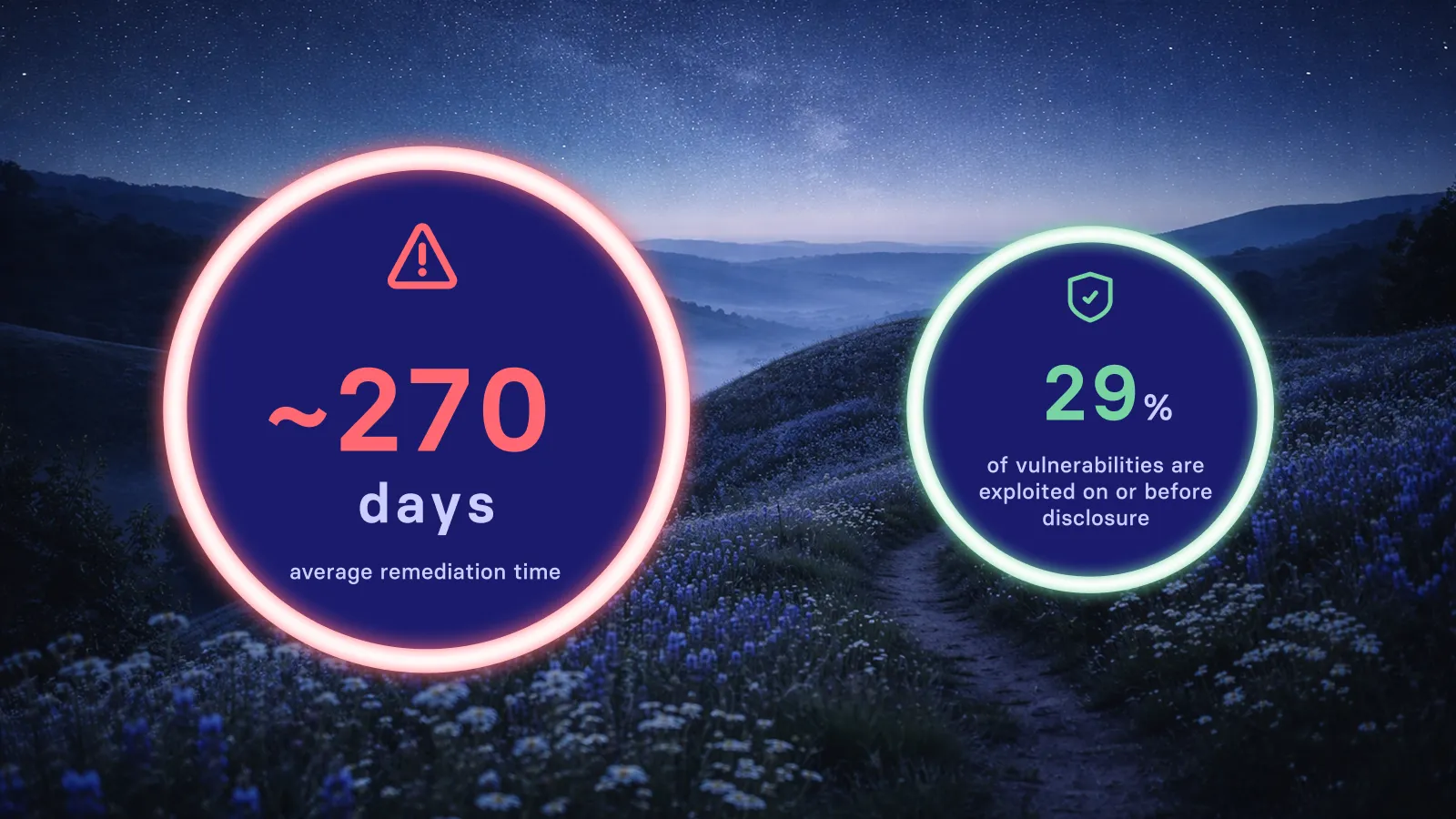
The pressure is real. 48,185 CVEs were published in 2025, 20.6% more than in 2024. Yet only 6% of organizations have fully automated endpoint management, so most fixes still wait on manual work.
This guide compares ten vulnerability management platforms on remediation depth, app and OS coverage, exploit-aware prioritization, zero-day protection and compliance reporting. It also covers which tools fit mid-market teams. Vicarius makes vRx, so we've noted where competitors are stronger, and we link to vendor sources wherever we cite a specific feature or date.
How we evaluated the platforms
We used six criteria. Ask every vendor about them before the first demo.
- Native or bolted-on remediation. Several vendors now patch through a partner: Tenable through Adaptiva, Rapid7 through Automox. That usually means a separate license, catalog and agent. Ask who builds and maintains the patching engine.
- Third-party app coverage alongside the OS. Browsers, Java runtimes and productivity apps are where much of the risk sits. Ask how many applications are covered natively, not through an add-on.
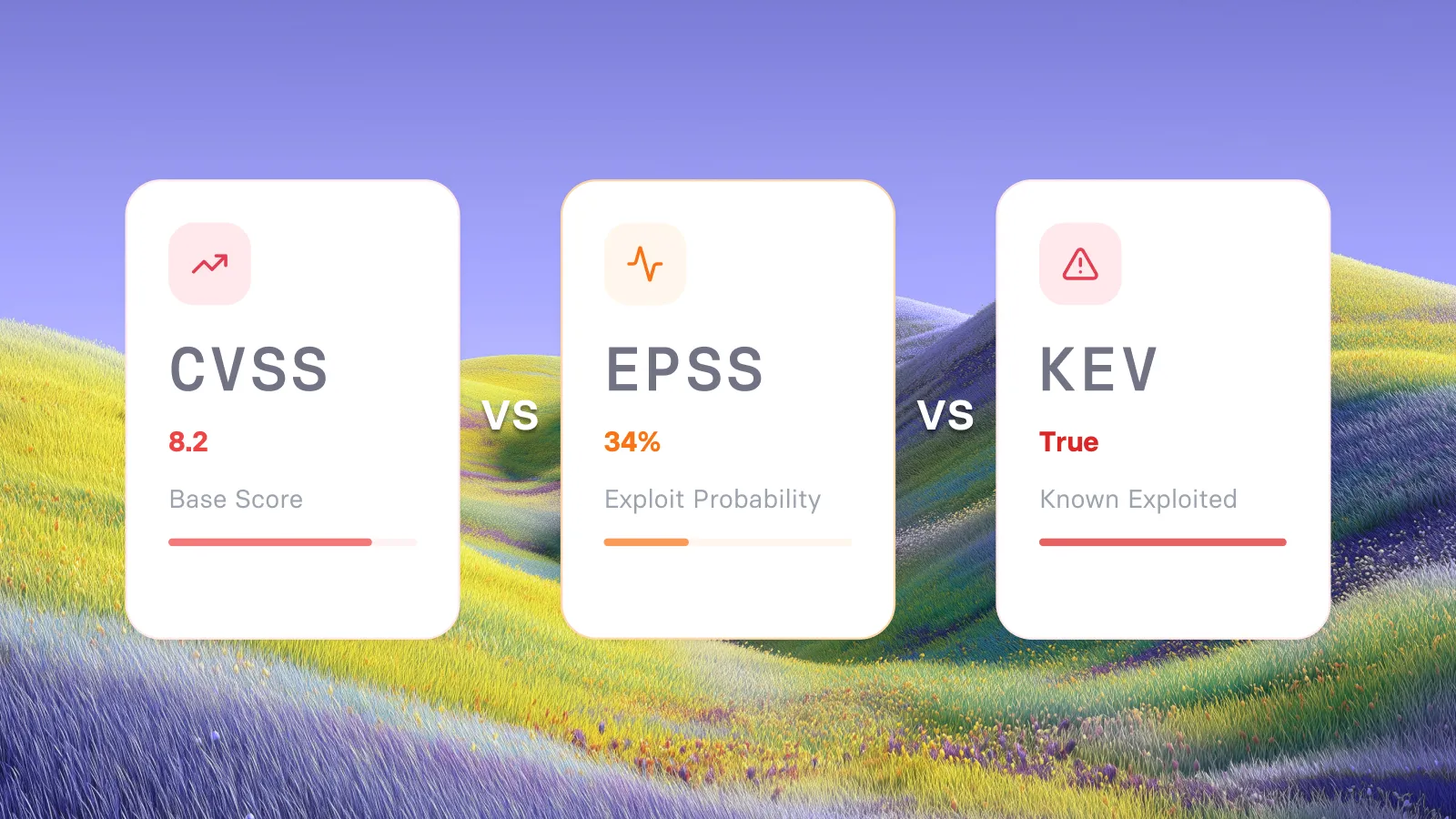
- Exploit-aware prioritization. CVSS alone floods the queue. Look for CISA KEV, EPSS and threat intelligence in the risk score.
- What happens when no patch exists. Options range from in-memory protection, to configuration changes and scripts, to nothing at all. Ask what the platform does on day zero.
- Compliance evidence. Auditors want timestamped proof of what was found, what was fixed and when. The platform should export it without manual work.
- Effort to run. Enterprise suites can take as much effort to run as they cost to license. Small teams should weigh setup time and the number of consoles.
Vulnerability management platforms compared
When no patch exists: three kinds of protection
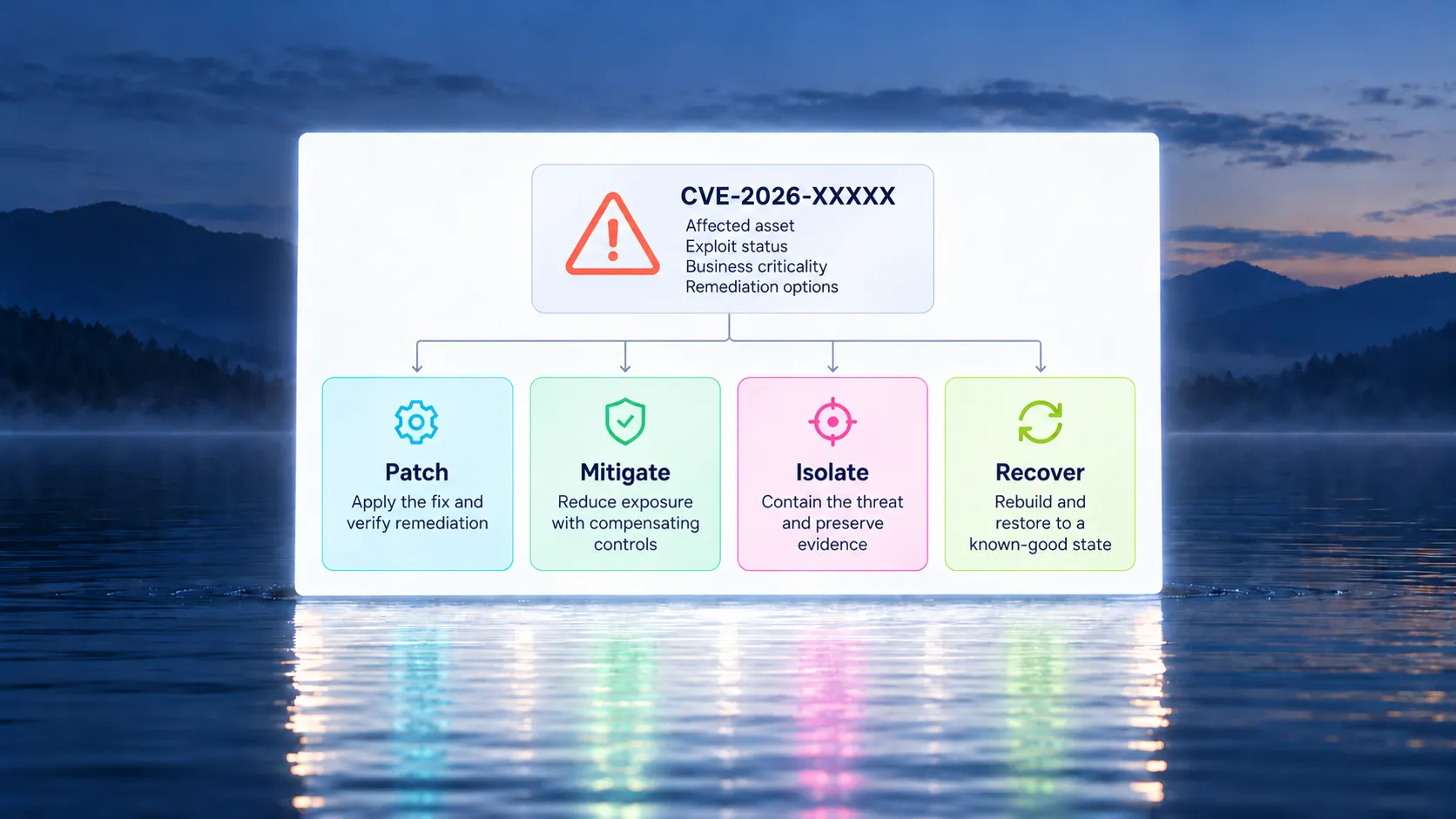
Every platform can deploy a patch once a vendor ships one. The gap is the time before that, or when a patch would break a system that can't go offline. Vendors use the word "patchless" loosely, so it helps to separate three approaches:
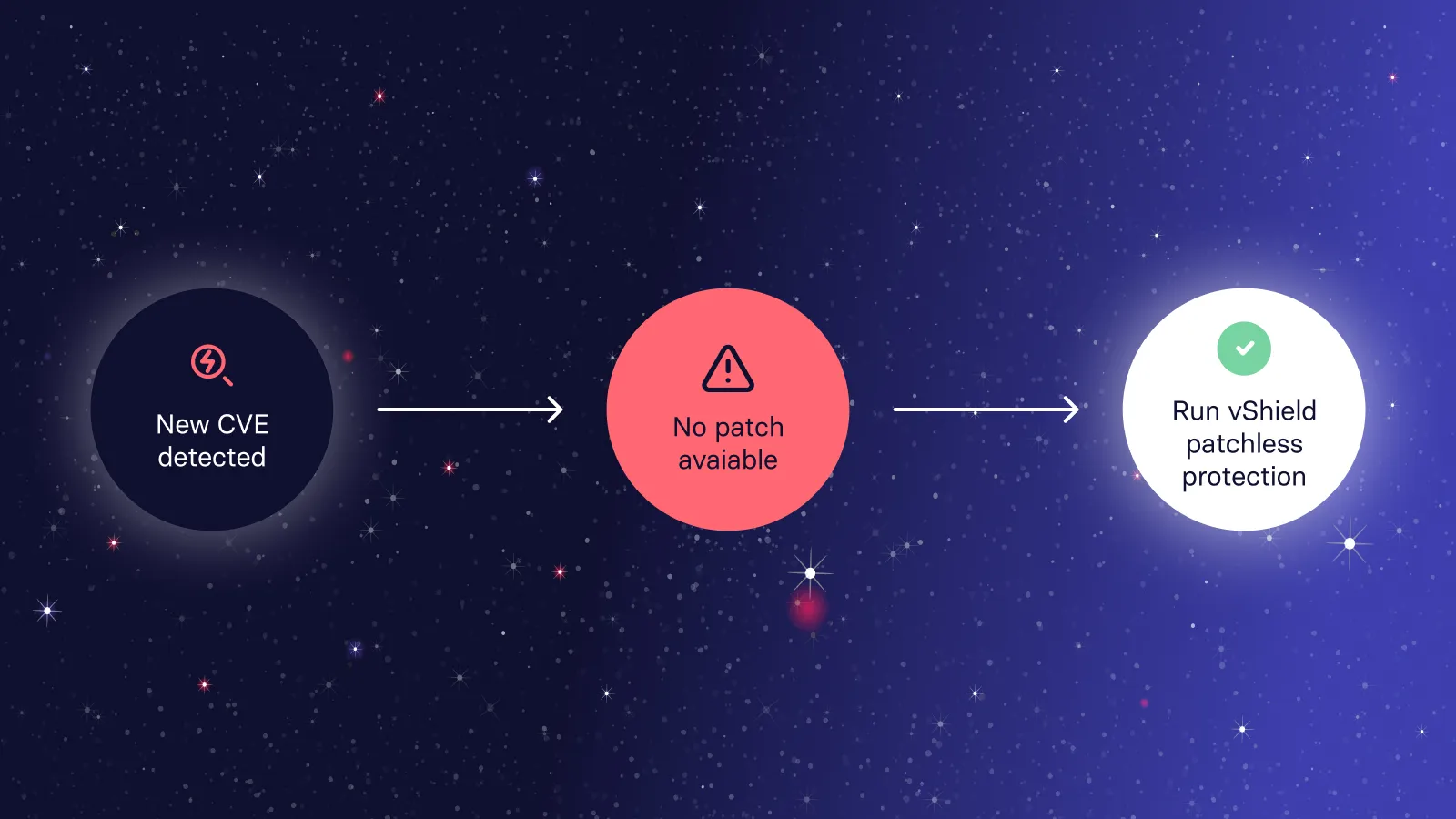
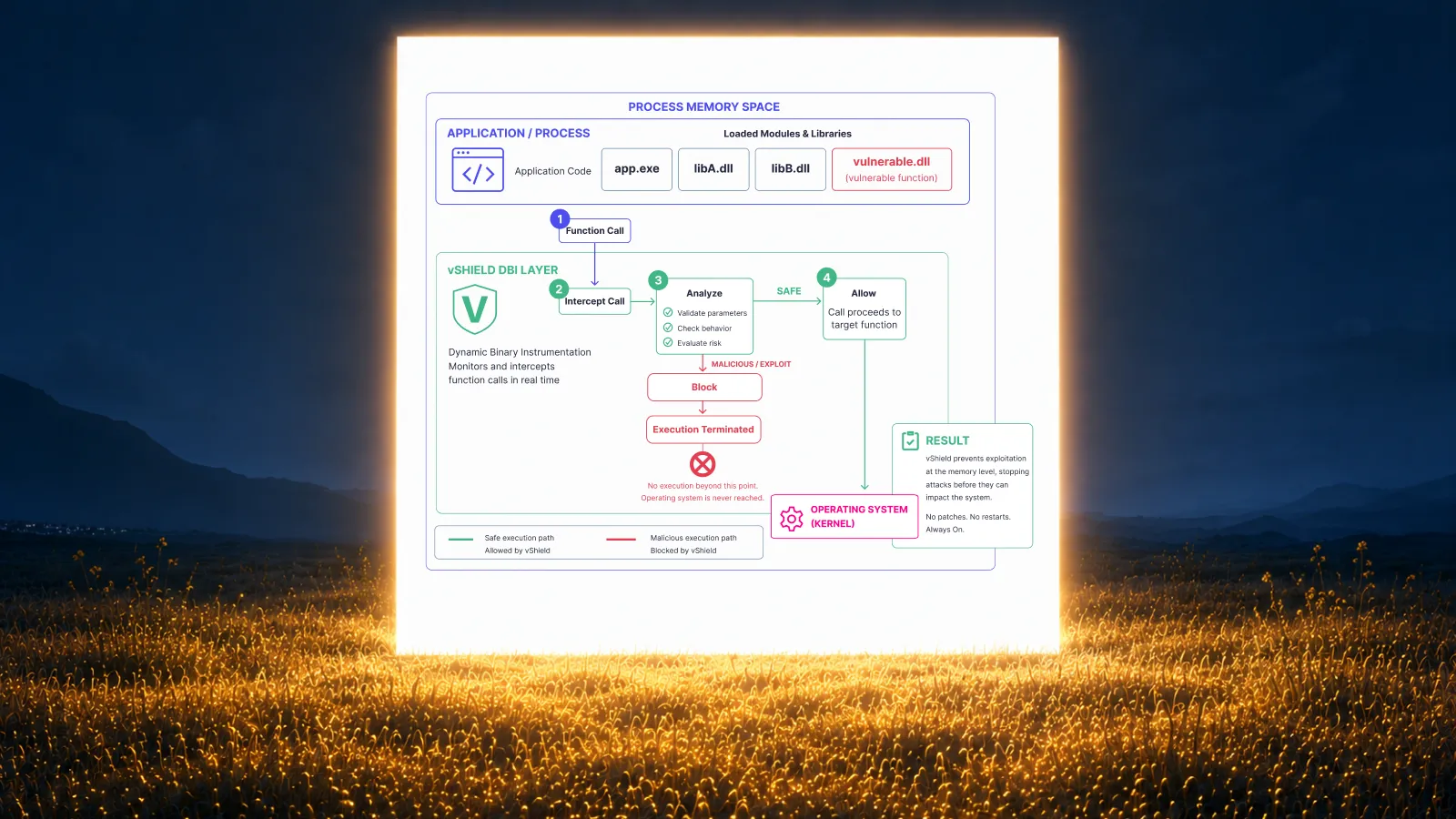
- In-memory protection. The vulnerable function is protected inside the running application, so exploitation is blocked without changing the software. It doesn't depend on anyone publishing a workaround for that CVE. Vicarius vRx does this with vShield.
- Configuration-based mitigation. A service is disabled, a port is blocked or a registry key is changed. It works well when a documented workaround exists. Qualys TruRisk Mitigate and Rapid7's virtual patching templates work this way.
- Isolation. The asset is cut off from the network until it can be fixed. It limits spread but also limits use.
Most platforms on this list offer none of the three. For zero-days, legacy software and production systems with long change windows, that difference matters more than catalog size.
The 10 best vulnerability management platforms for 2026
1. Vicarius vRx
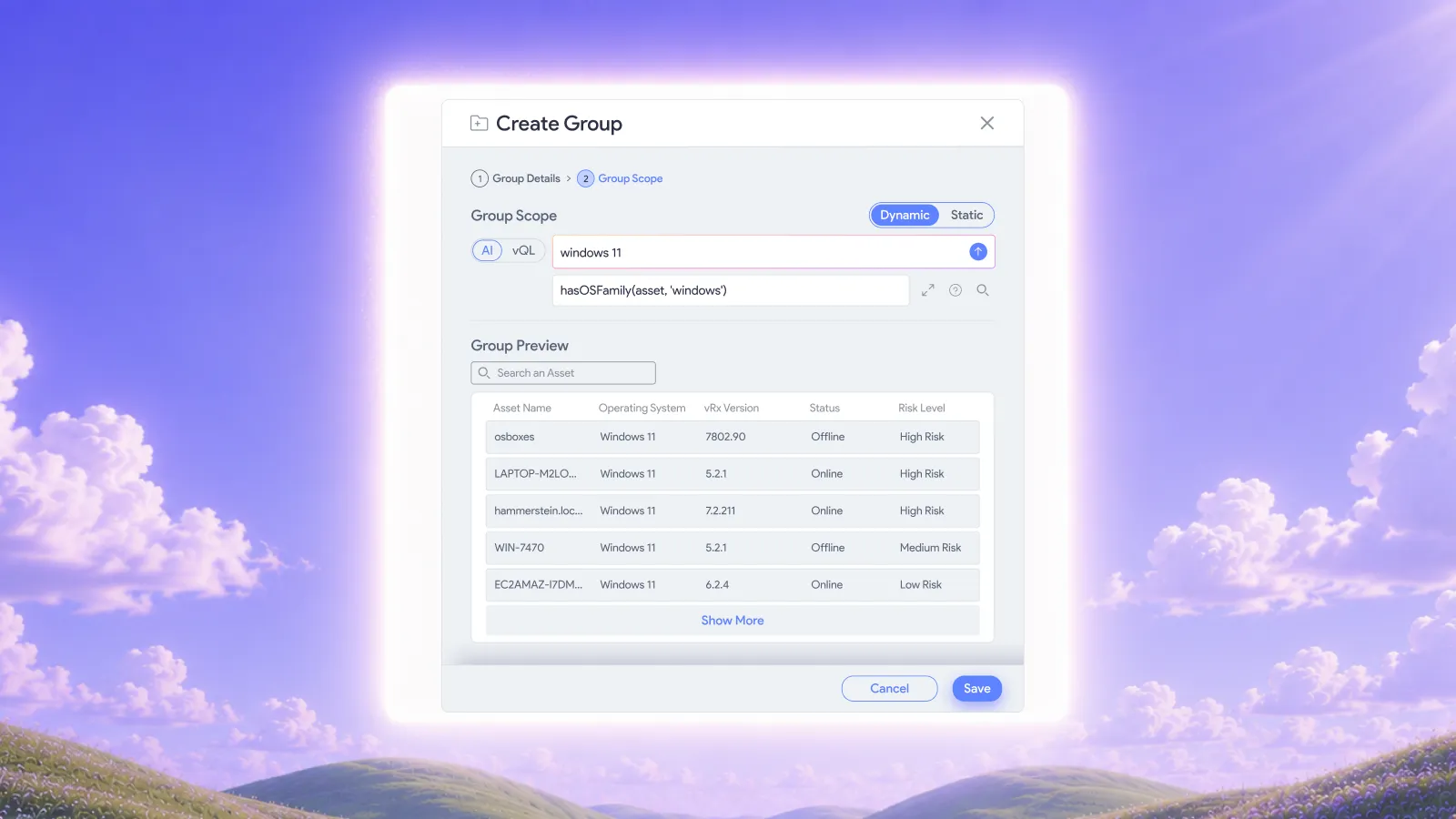
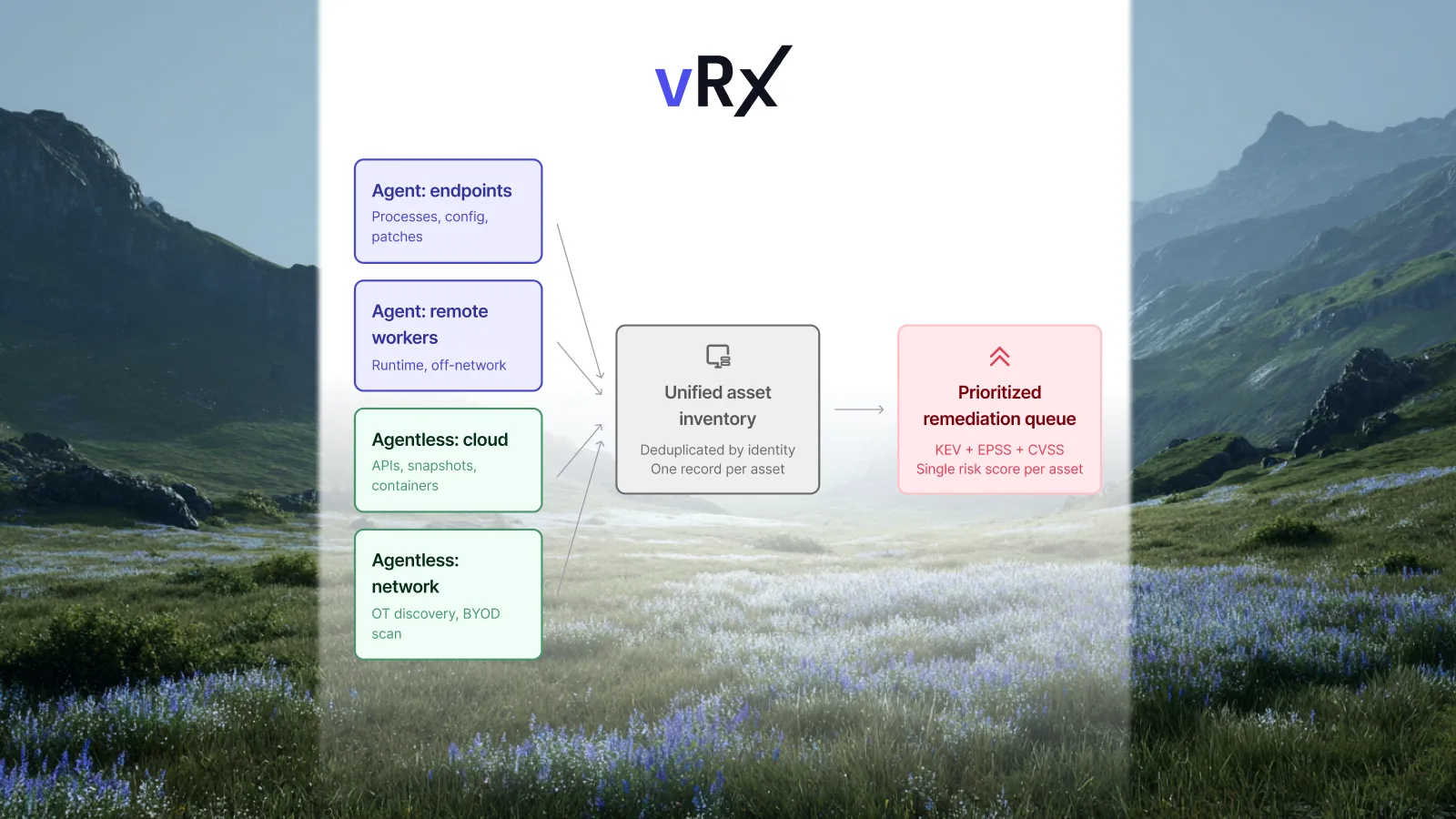
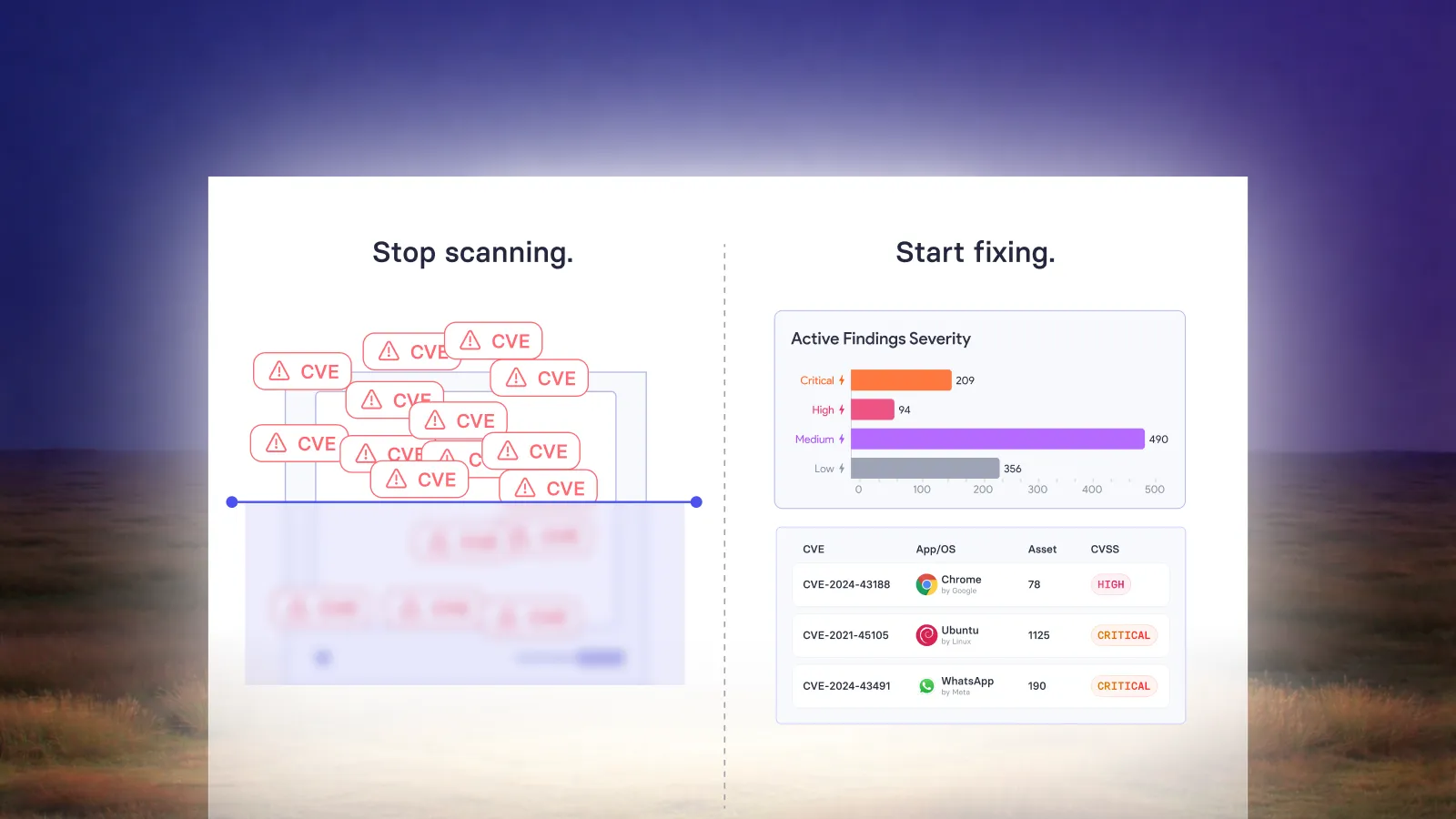
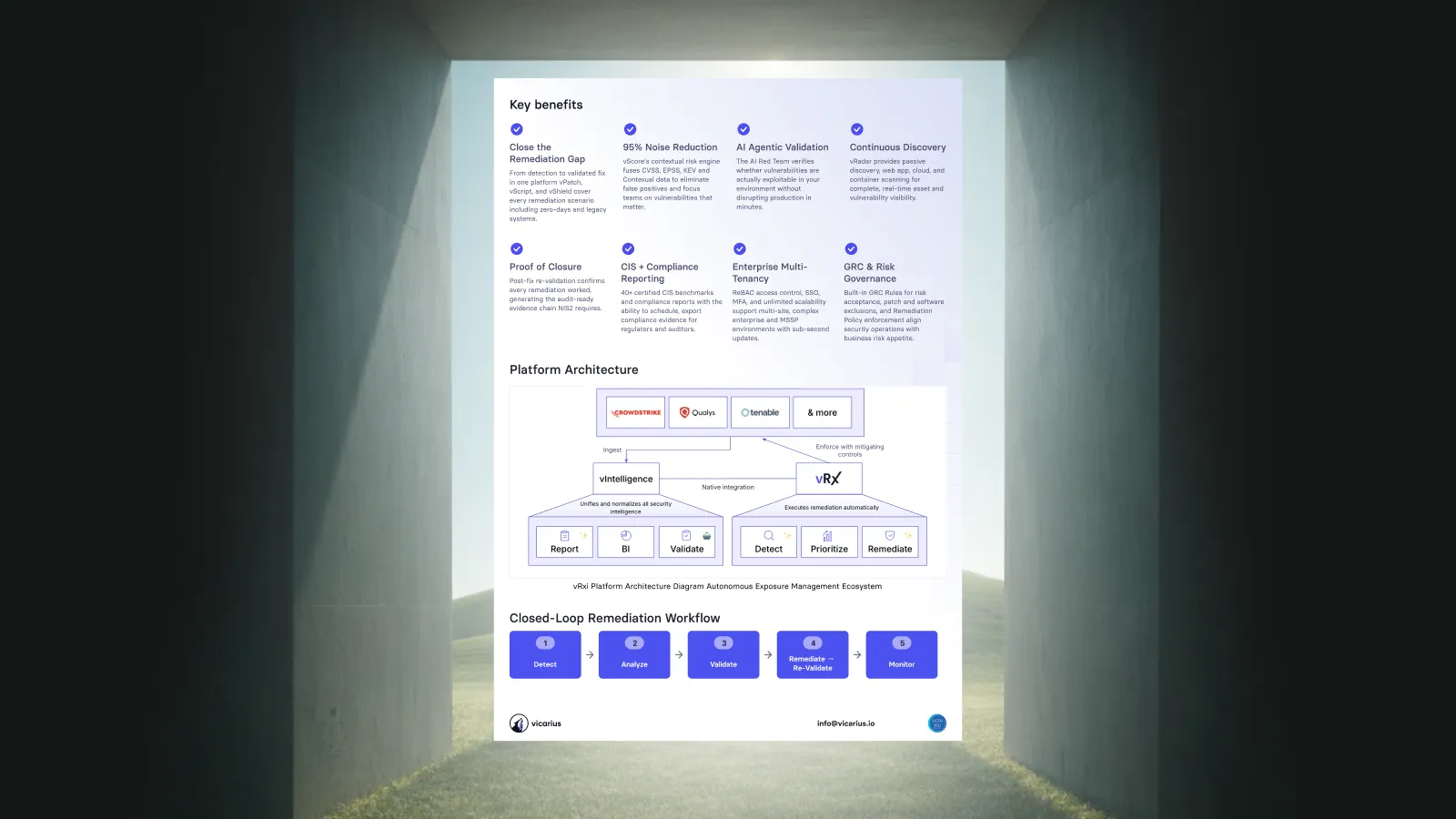
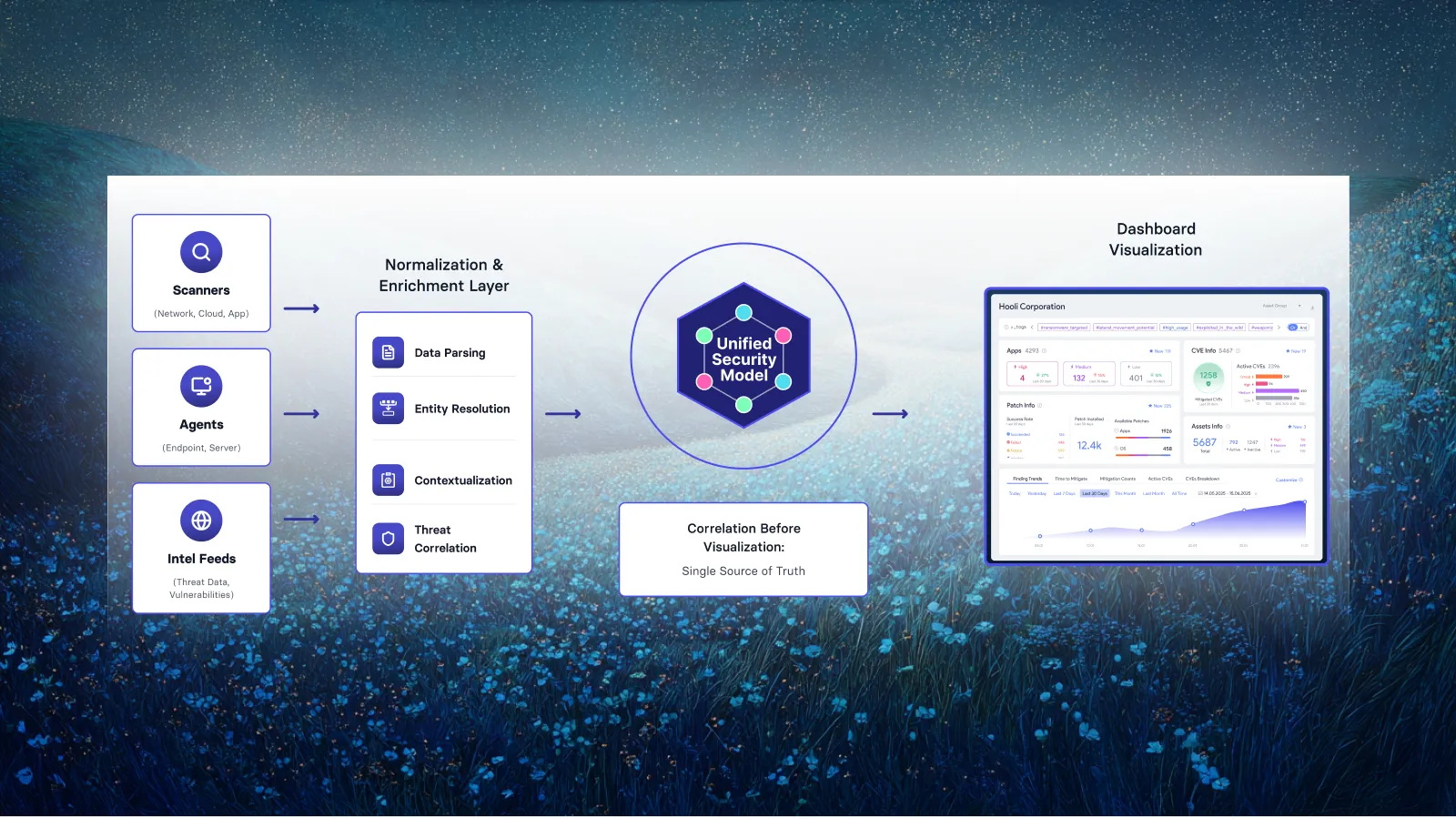
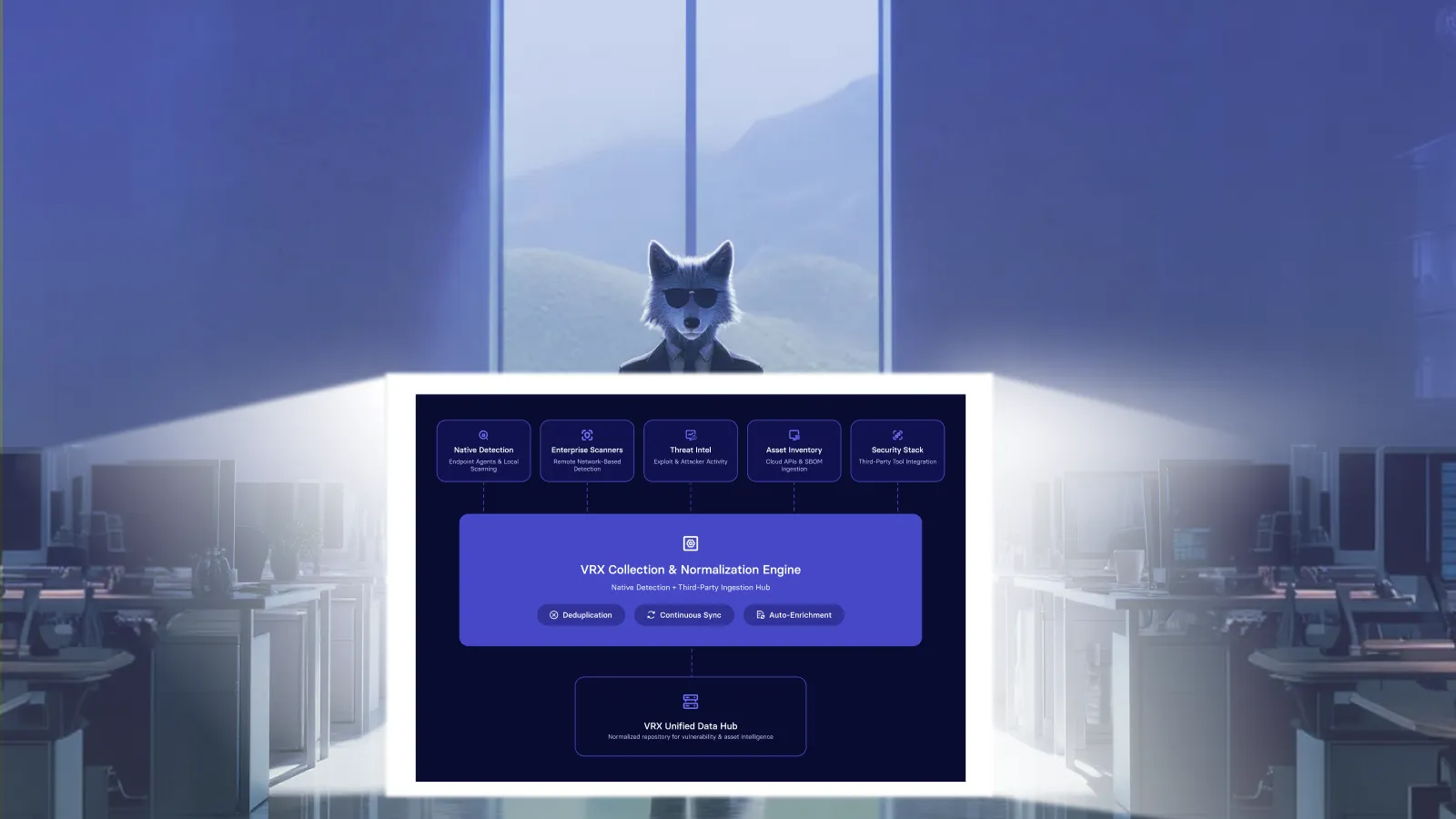
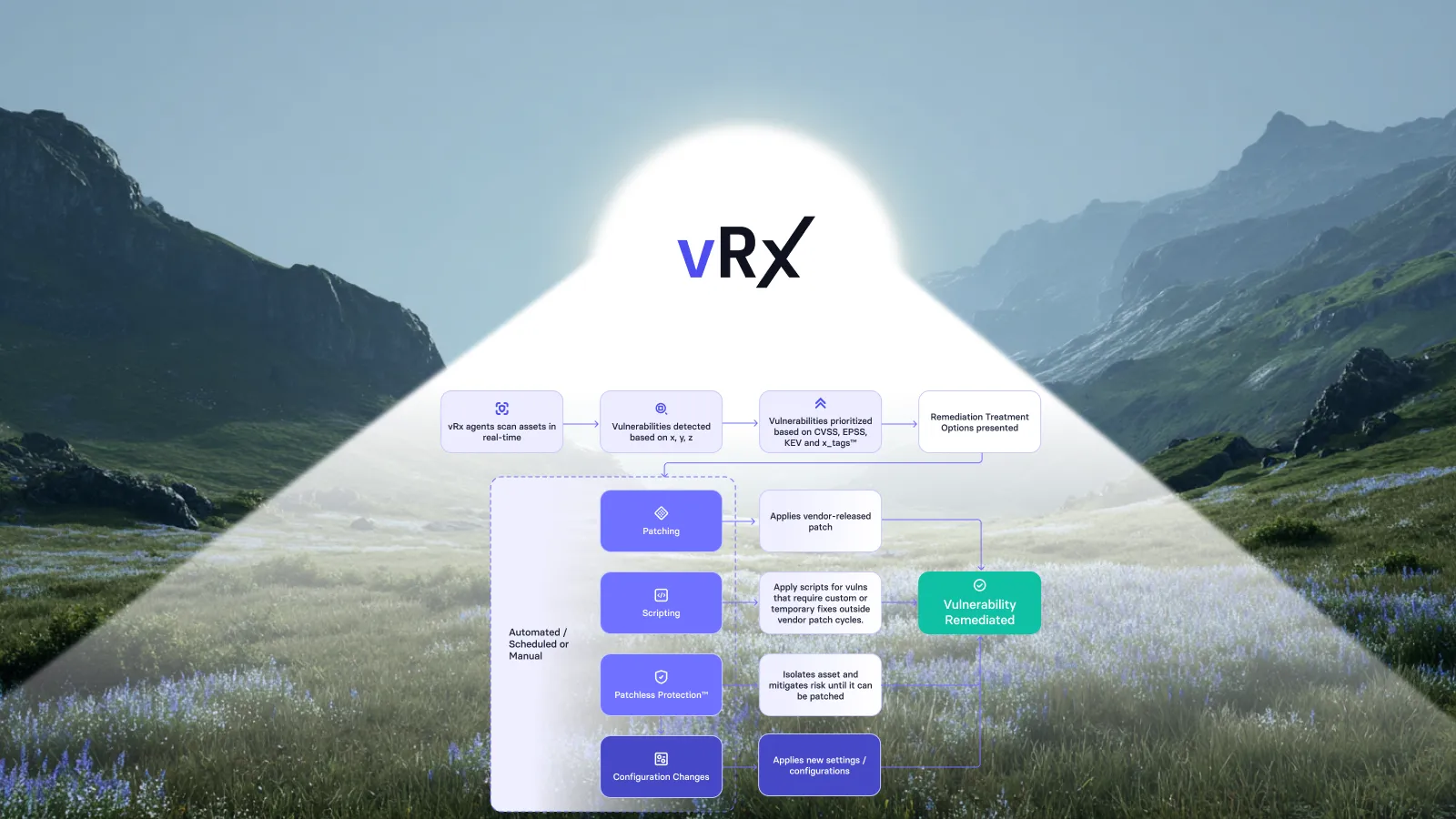
vRx puts detection and remediation in one SaaS platform. A lightweight agent assesses Windows, macOS and Linux continuously, and vRadar, the agentless scanner, covers network assets and web applications. Findings are ranked by real-world exploitability, not CVSS alone.
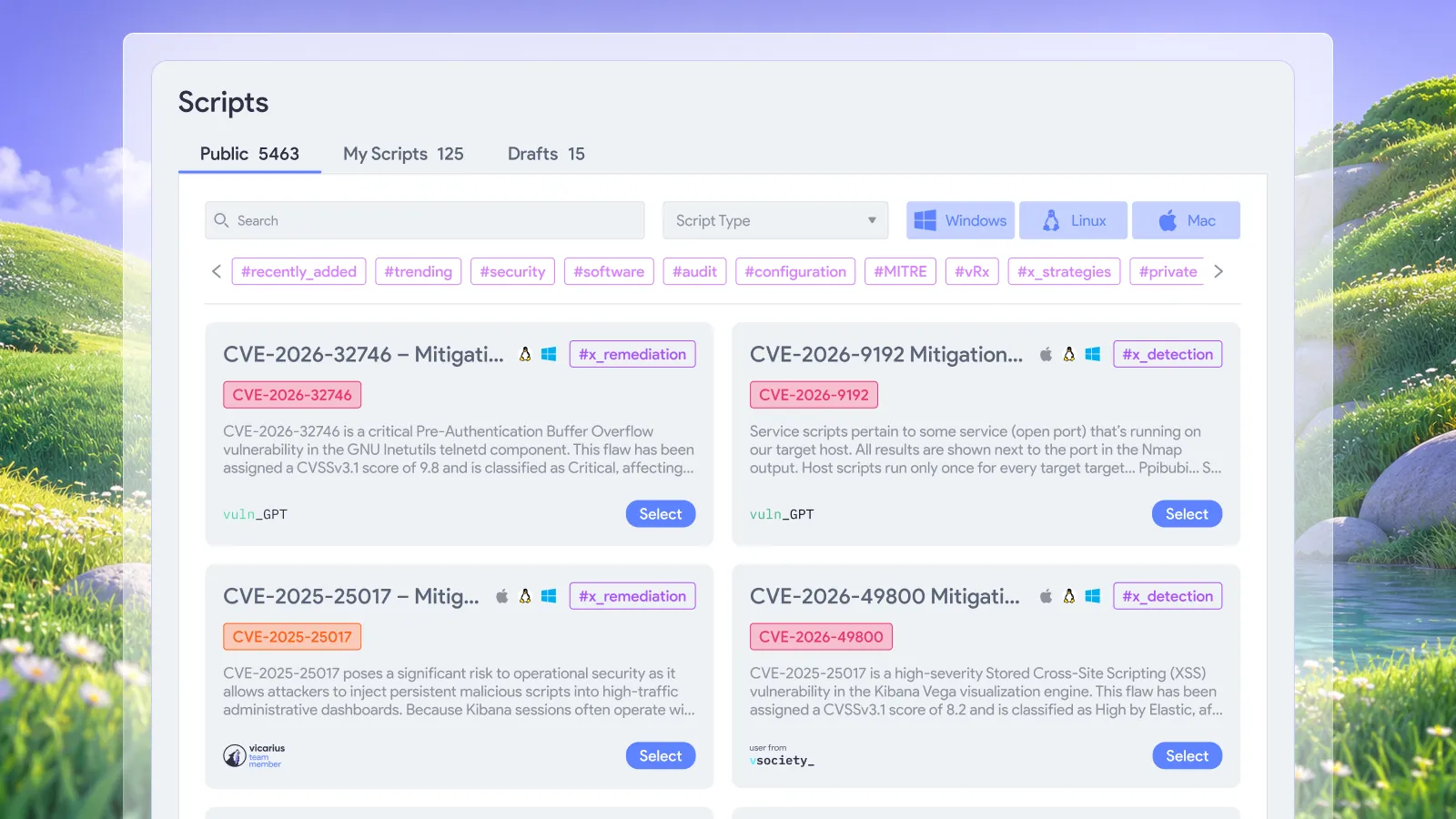
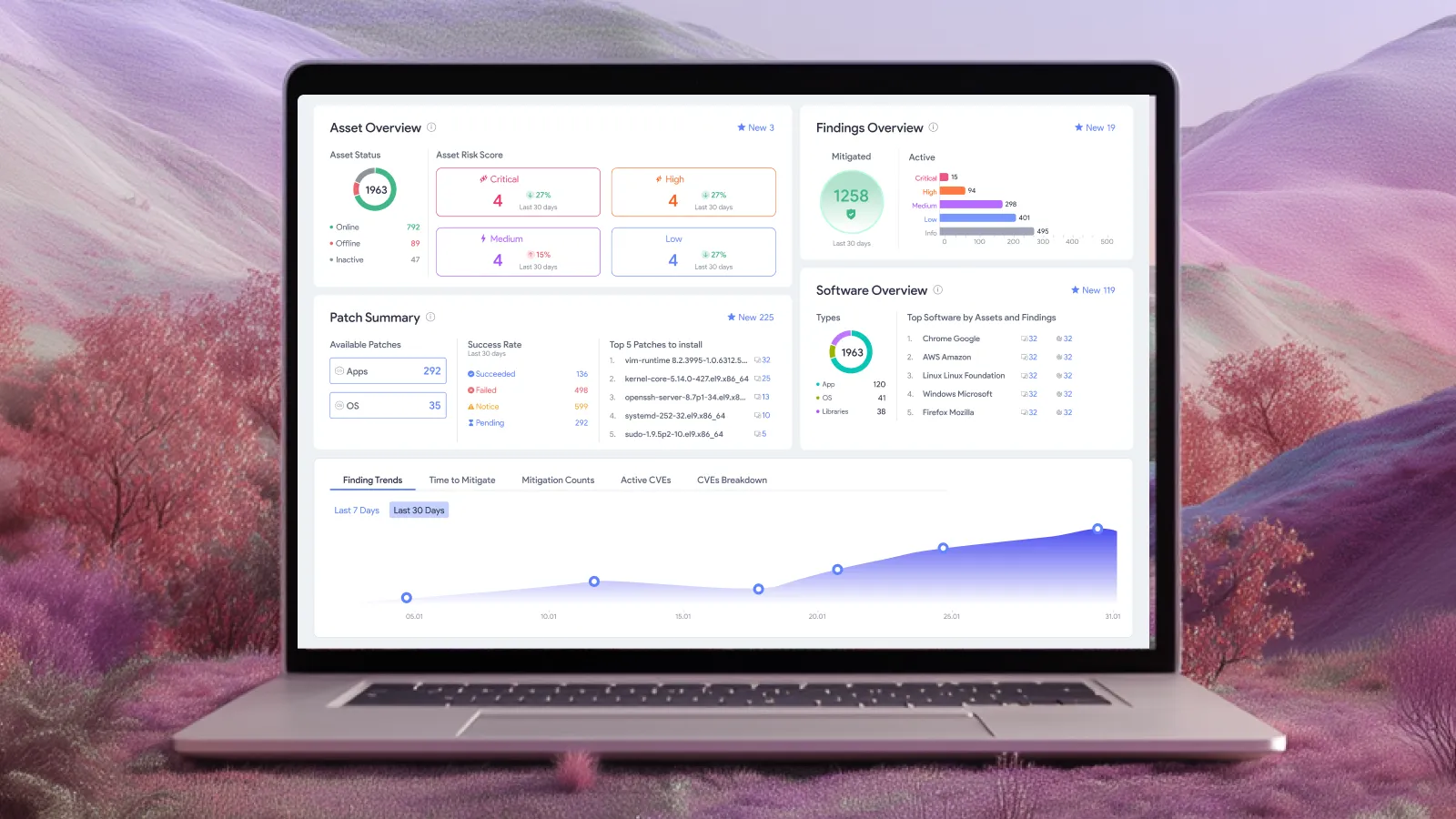
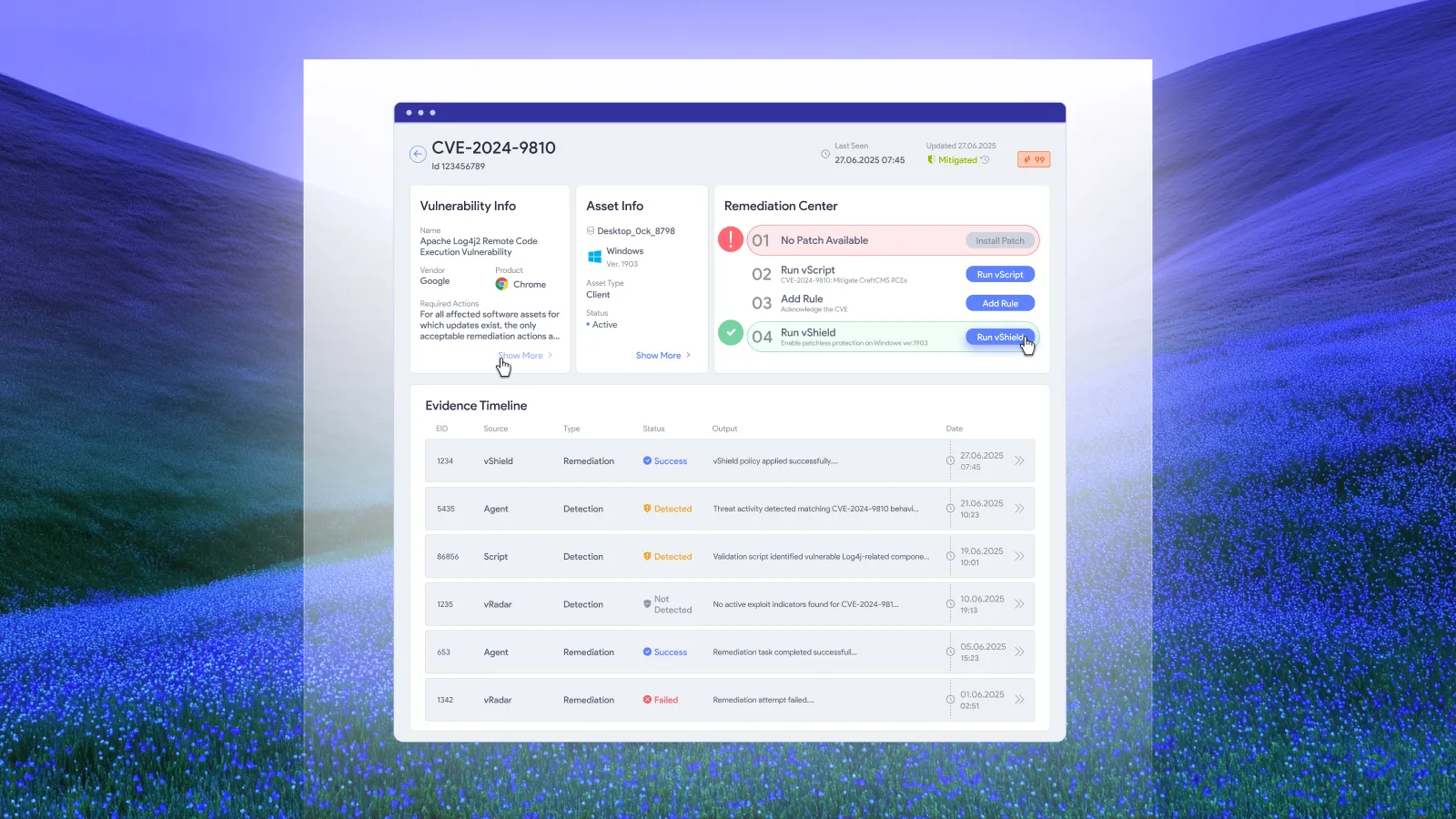
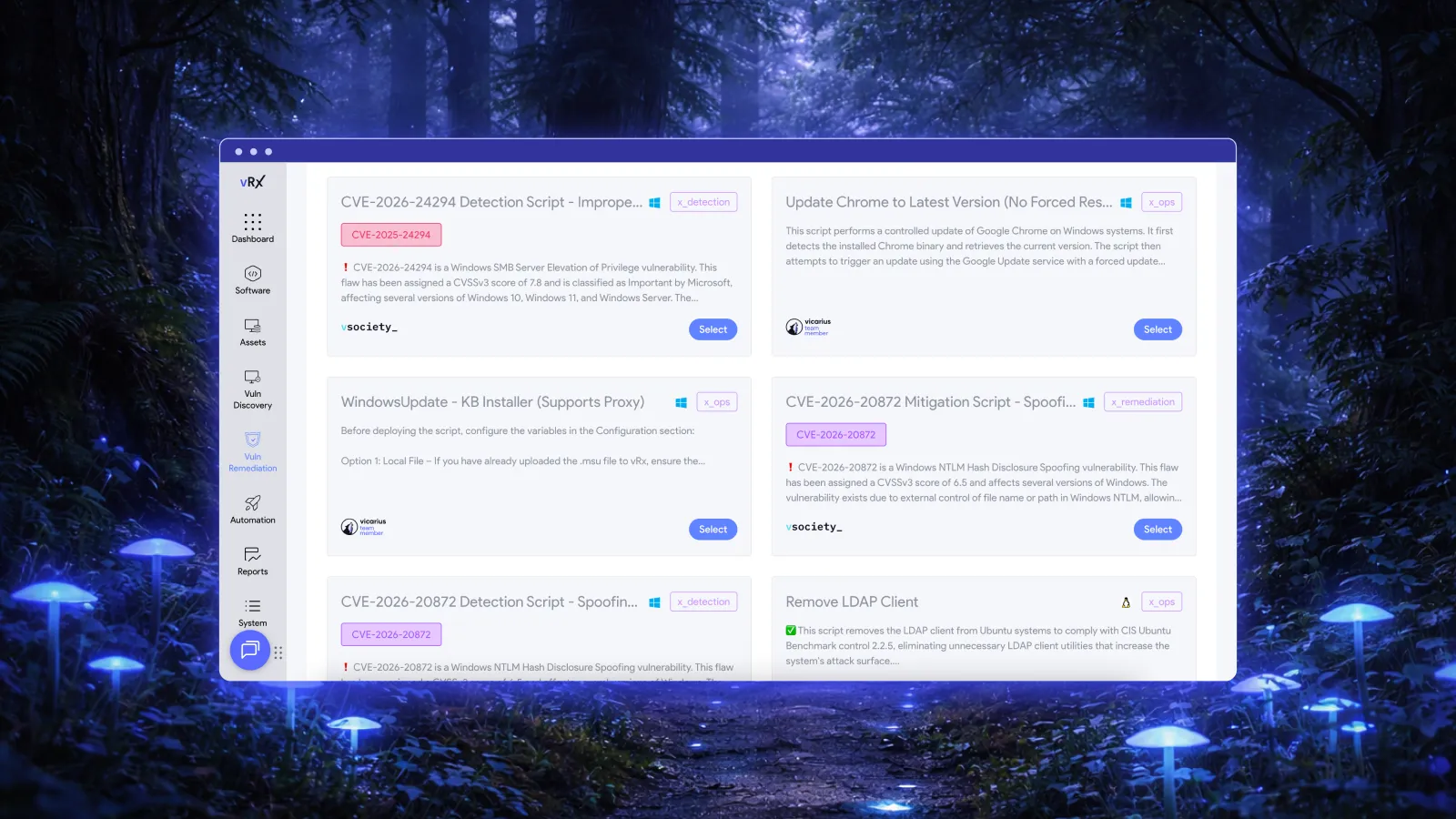
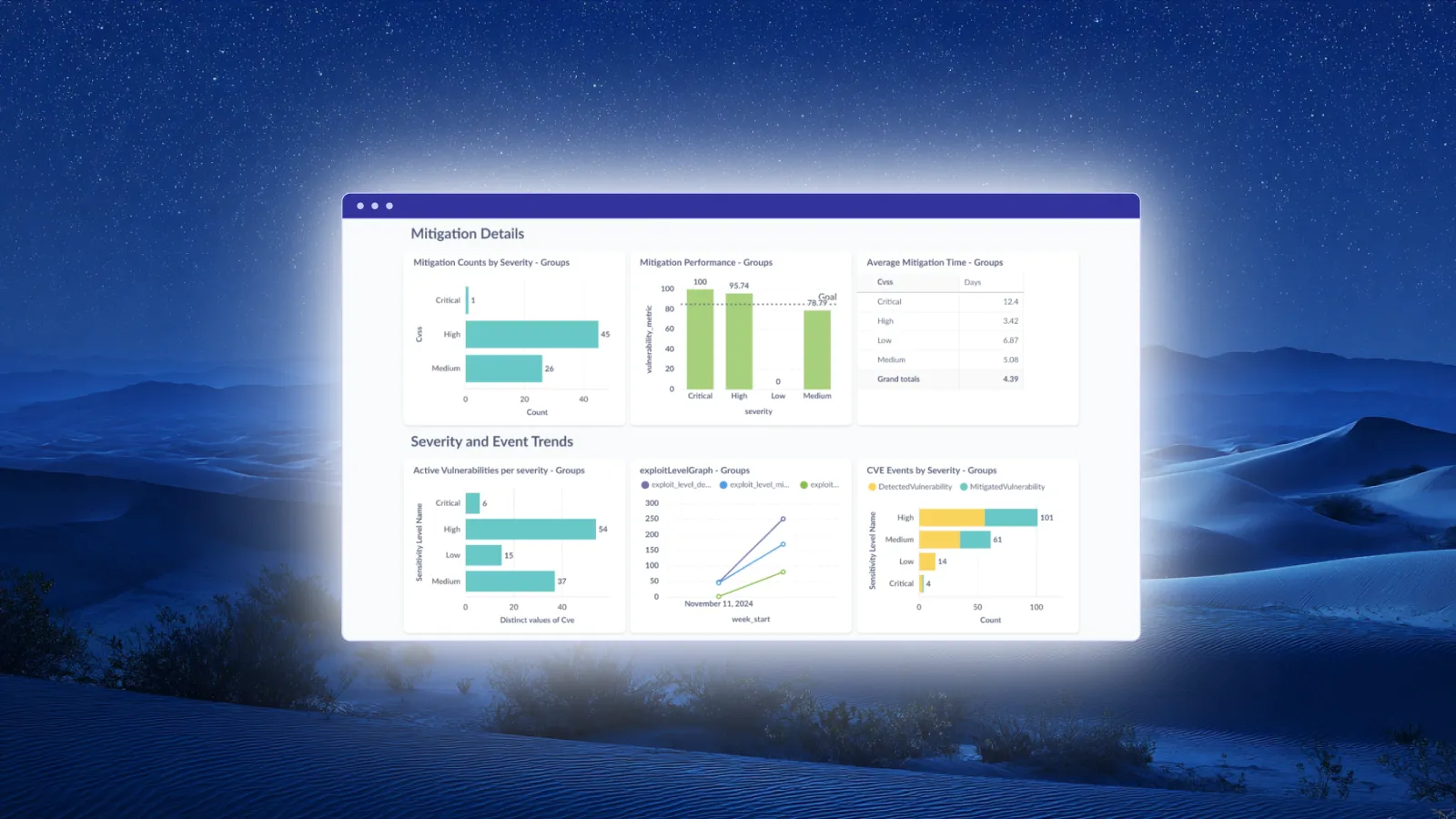
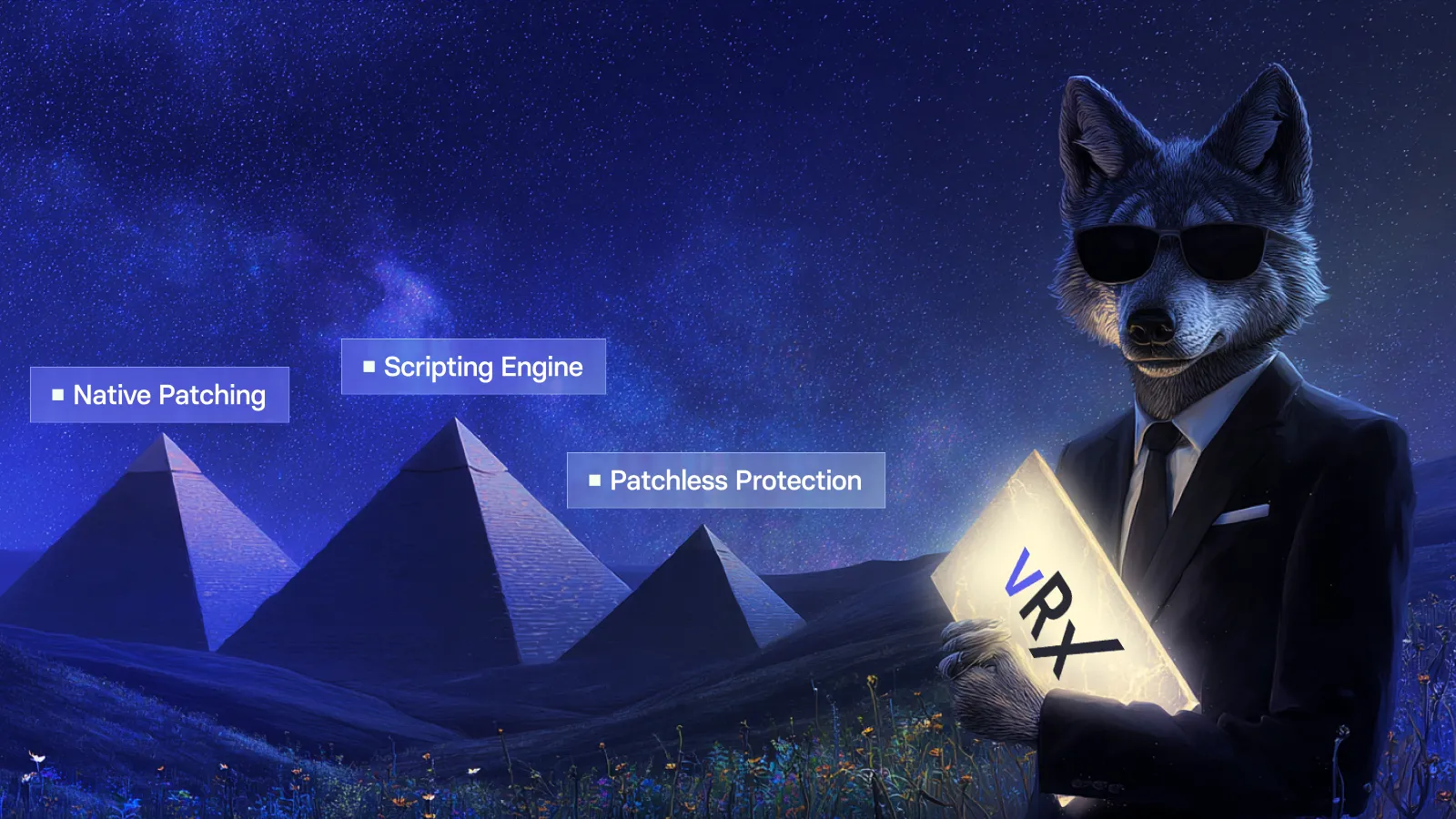
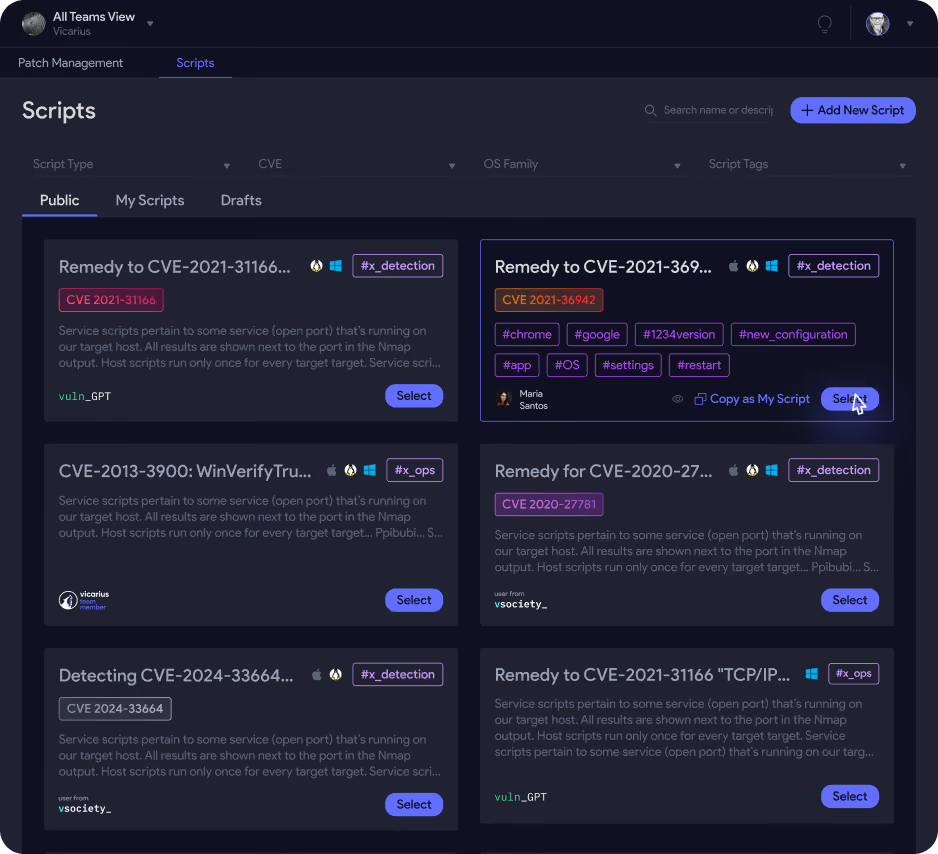
Remediation has three native paths. Automated patching covers the OS and 20,000+ third-party applications. The scripting engine, with vScript and ScriptAI, handles fixes that need a configuration or file change, such as nested Log4j JAR files. vShield patchless protection wraps vulnerable functions in memory when no patch exists, then switches off automatically once the patch is deployed. Every scan, fix and protection event is logged with timestamps for audit evidence.
- Native vs bolted-on: all native. The patching engine, scripting and patchless protection are built by Vicarius.
- Limits: OT and ICS networks, some government-specific compliance frameworks and fully air-gapped sites may need additional tooling.
- Best for: security and IT teams with mixed operating systems who want scanning, prioritization, patching and zero-day protection in one console.
2. Tenable Vulnerability Management
Tenable leads on detection. Its Nessus plugin library is one of the largest available, and its Vulnerability Priority Rating (VPR) uses threat intelligence to push exploited vulnerabilities to the top. Coverage of legacy systems, OT and unusual network devices is hard to match.
Remediation comes through add-ons. Tenable Patch Management is powered by Adaptiva and covers Windows, macOS and Linux with a library of 20,000+ products, including drivers and BIOS. It's sold separately from Tenable VM. Tenable acquired Vulcan Cyber in 2025 to add remediation orchestration to Tenable One, which routes fixes to other tools rather than applying them.
- Native vs bolted-on: detection is native; patching is a partner-powered add-on. No patchless protection.
- Limits: budget for the combined license and a second deployment if you want to fix, not just find.
- Best for: large enterprises with dedicated security engineering and complex, mixed infrastructure. See Qualys vs Tenable and Tenable alternatives.
3. Qualys VMDR
Qualys connects asset discovery, detection and remediation in one cloud console. TruRisk scoring combines exploit and threat data, and compliance templates cover PCI DSS, HIPAA, CIS and ISO 27001.
Its remediation suite is the most layered among the large vendors. TruRisk Eliminate 2.0, released October 14, 2026, can patch, mitigate without a patch, uninstall, isolate or run a custom fix, and adds health checks and rollback advice after deployment. TruRisk Mitigate applies configuration changes that the Qualys Threat Research Unit researches and publishes for each vulnerability.
- Native vs bolted-on: native, but licensed in modules. VMDR detection and TruRisk Eliminate remediation are priced separately.
- Limits: a mitigation exists only after Qualys researchers publish one, so a brand-new zero-day may have none yet. Smaller teams often report a steep learning curve.
- Best for: mid-size and large enterprises with dedicated VM staff and heavy compliance needs.
4. Rapid7 InsightVM and Exposure Command
InsightVM's strength is context. Its link to Metasploit shows whether working exploit code exists, which sharpens prioritization, and it integrates well with ITSM tools.
In July 2025, Rapid7 launched Active Patching powered by Automox inside Exposure Command. It patches Windows, macOS, Linux and third-party software, and adds pre-built virtual patching templates for systems without a fix.
- Native vs bolted-on: detection is native; patching is powered by Automox and available only in Exposure Command, not InsightVM alone.
- Limits: the virtual patching templates are configuration changes, not in-memory protection.
- Best for: organizations already invested in Rapid7 that want exploit-informed prioritization.
5. ManageEngine Vulnerability Manager Plus
ManageEngine pairs vulnerability assessment with patch deployment for Windows, macOS and Linux, with approval workflows that suit IT change control. It offers pre-built mitigation scripts for zero-days, runs on-premises or in the cloud, and publishes its prices, which few vendors on this list do.
- Native vs bolted-on: native patching and assessment from one vendor.
- Limits: zero-day mitigations are scripts, not runtime protection. Risk scoring has less threat-intelligence depth than Tenable VPR or Qualys TruRisk. Test Linux depth in a pilot if Linux runs your servers.
- Best for: IT operations teams with Windows-heavy fleets and tight budgets.
6. SecPod Saner
Saner runs vulnerability assessment, patching, compliance and endpoint hardening from one agent, with continuous scanning instead of scheduled scan windows. Risk-threshold rules can deploy patches without manual approval. SecPod has been named a Leader in the GigaOm Patch Management Radar in 2024 and 2025.
- Native vs bolted-on: native.
- Limits: no in-memory protection; mitigation for unpatched flaws is configuration hardening. Cloud-native and container coverage is thinner than at Tenable or Qualys.
- Best for: SMB and mid-market teams that find the enterprise suites oversized.
7. CrowdStrike Falcon Exposure Management
CrowdStrike's vulnerability data (formerly Falcon Spotlight) comes from the same sensor as its EDR, so findings carry endpoint telemetry and adversary intelligence. An asset that is vulnerable and already talking to known attacker infrastructure moves to the top. In September 2025, CrowdStrike added Risk-based Patching in Falcon for IT, which ranks patches with Patch Safety Scores and deploys them.
- Native vs bolted-on: native to the Falcon platform, but patching sits in a separate Falcon for IT module.
- Limits: no compensating control when no patch exists. Value depends on already running Falcon.
- Best for: organizations standardized on CrowdStrike Falcon for endpoint protection.
8. Microsoft Defender Vulnerability Management
For Microsoft-centric estates, Defender Vulnerability Management needs no extra agent: it uses the Defender for Endpoint sensor and shows findings under Exposure management in the Defender portal. It's sold as an add-on to Defender for Endpoint Plan 2 or as a standalone product.
- Native vs bolted-on: detection is native; it doesn't deploy patches itself. Remediation requests go to Intune or another tool.
- Limits: blocking vulnerable apps works on Windows only, and macOS and Linux coverage is secondary. Windows authenticated scanning was retired on December 18, 2025.
- Best for: Microsoft 365 E5 or Defender shops that want to consolidate within the Microsoft stack.
9. Automox
Automox is a cloud-native patching platform for Windows, macOS and Linux, known for being quick to deploy. Worklets let teams script fixes outside standard patching, and Vulnerability Sync imports findings from an external scanner. Automox also powers Rapid7's Active Patching.
- Native vs bolted-on: native patching; detection comes from another vendor's scanner.
- Limits: no built-in vulnerability scanning or risk scoring, and no patchless protection. You'll pay for two products to cover find and fix.
- Best for: IT teams that already run a scanner and want a simple patch execution layer. See how Automox compares with vRx.
10. Nucleus Security
Nucleus is an aggregation layer, not a scanner or patching tool. It pulls findings from Tenable, Qualys, Rapid7 and others, removes duplicates, and routes work to Jira, ServiceNow and other ticketing tools. It won a 2026 SC Award for Best Vulnerability Management Solution.
- Native vs bolted-on: no remediation of its own; it depends on the tools it routes to.
- Limits: with only one scanner, the aggregation adds little.
- Best for: large enterprises running several scanners that need one deduplicated queue.
Consolidated vulnerability management for mid-market teams
A consolidated vulnerability management platform combines asset discovery, scanning, risk-based prioritization and remediation in one product, with one agent, one console and one queue. For mid-market companies, that matters more than for large enterprises. Their infrastructure is usually mixed (Windows, macOS and Linux, cloud and on-premises), but their security team may be two or three people. Running a scanner, a patch tool and a scripting workflow in separate consoles isn't realistic at that size.
On this list, vRx, ManageEngine and SecPod Saner come closest to one product for find and fix. NinjaOne is also worth a look for IT teams and MSPs already using it for endpoint management: its vulnerability module uses CISA KEV data and pauses risky patches before they deploy. NinjaOne doesn't document a compensating control for when no patch exists, so ask how it handles zero-days. If you're a SaaS company securing cloud workloads rather than endpoints, see our separate list of consolidated vulnerability platforms for SaaS.
Which platform fits your environment?
Pricing and licensing models
Vulnerability management pricing usually follows one of three models. Check which one each vendor uses before comparing quotes.
- Per asset, published prices. ManageEngine and Automox list prices on their websites. Tenable sells Vulnerability Management online for small asset counts.
- Per asset, quote only. Qualys, Rapid7, CrowdStrike, Nucleus and Vicarius vRx price through sales, which leaves room to negotiate terms and bundles.
- Modules stacked on a base license. Tenable patching, Rapid7 Active Patching, Qualys TruRisk Eliminate and CrowdStrike Falcon for IT are priced on top of detection. Add up every module you need to close a vulnerability, not just to find it.
Four questions to ask every vendor
- What happens when a zero-day drops and no patch exists? Ask whether protection is in-memory, configuration-based or not available.
- How many of our third-party applications are covered natively? Ask whether the number comes from the vendor's own catalog or a partner's add-on.
- How long does it take to fix a critical CVE across 100 mixed-OS devices? Ask to see it on your own assets during the trial, not in a slide.
- What does full deployment cost? Include every module, agent and integration needed for detection, remediation and compliance reporting.
For a deeper checklist, see how to choose a vulnerability platform in 2026.
Frequently asked questions
What is a vulnerability management platform?
A vulnerability management platform finds, prioritizes and fixes software vulnerabilities across endpoints, servers and applications. Modern platforms go beyond vulnerability scanning to rank risk by real-world exploitation, deploy patches and apply compensating controls when a patch isn't available.
What is the best vulnerability management software in 2026?
It depends on your environment. For one platform that finds and fixes across mixed operating systems, including zero-day protection, Vicarius vRx is the strongest fit. For the broadest detection, Tenable leads. For compliance-heavy programs with dedicated staff, Qualys VMDR is a strong choice. Teams standardized on CrowdStrike or Microsoft get the most from those vendors' own tools.
What's the difference between vulnerability management and vulnerability remediation?
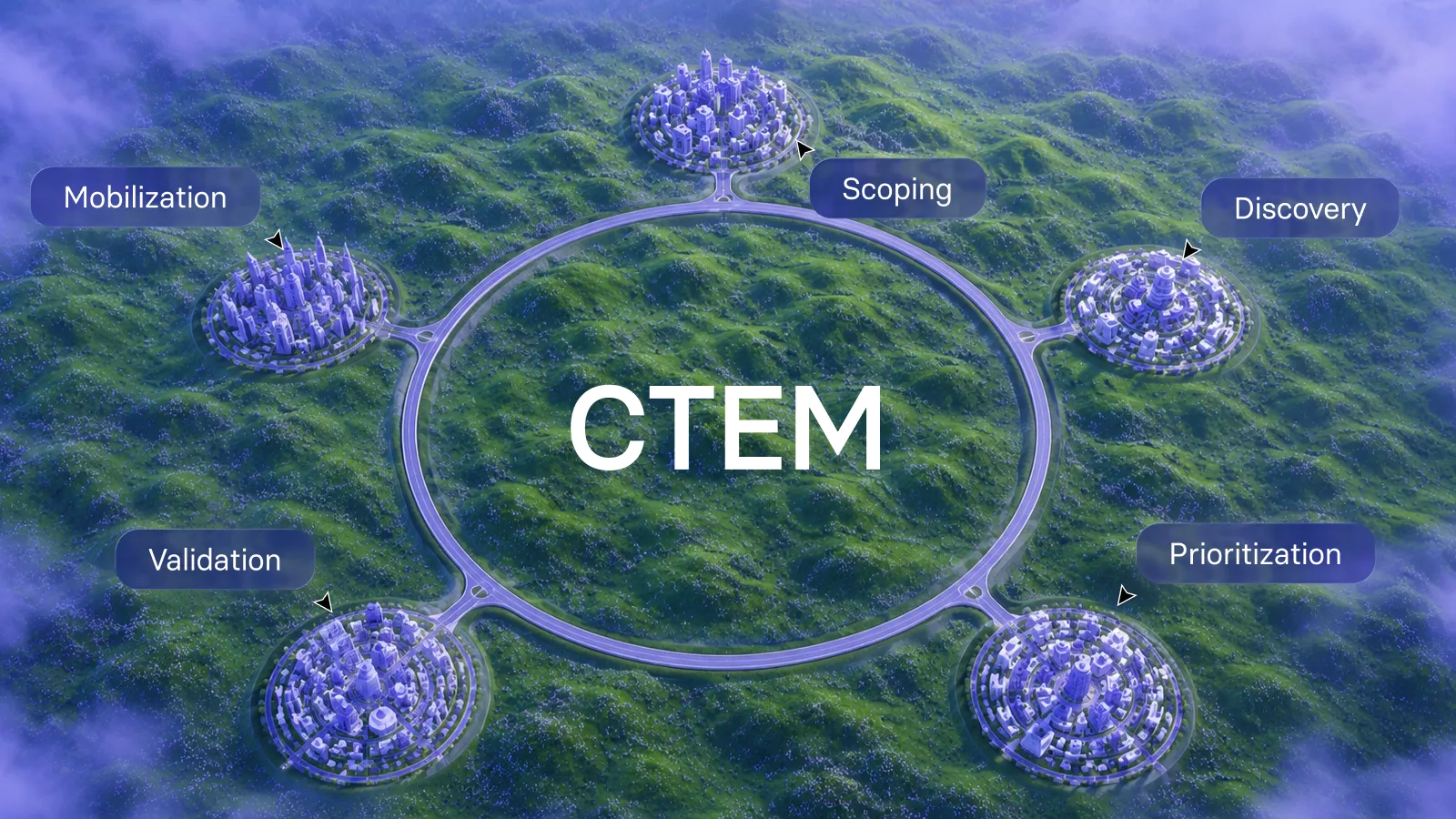
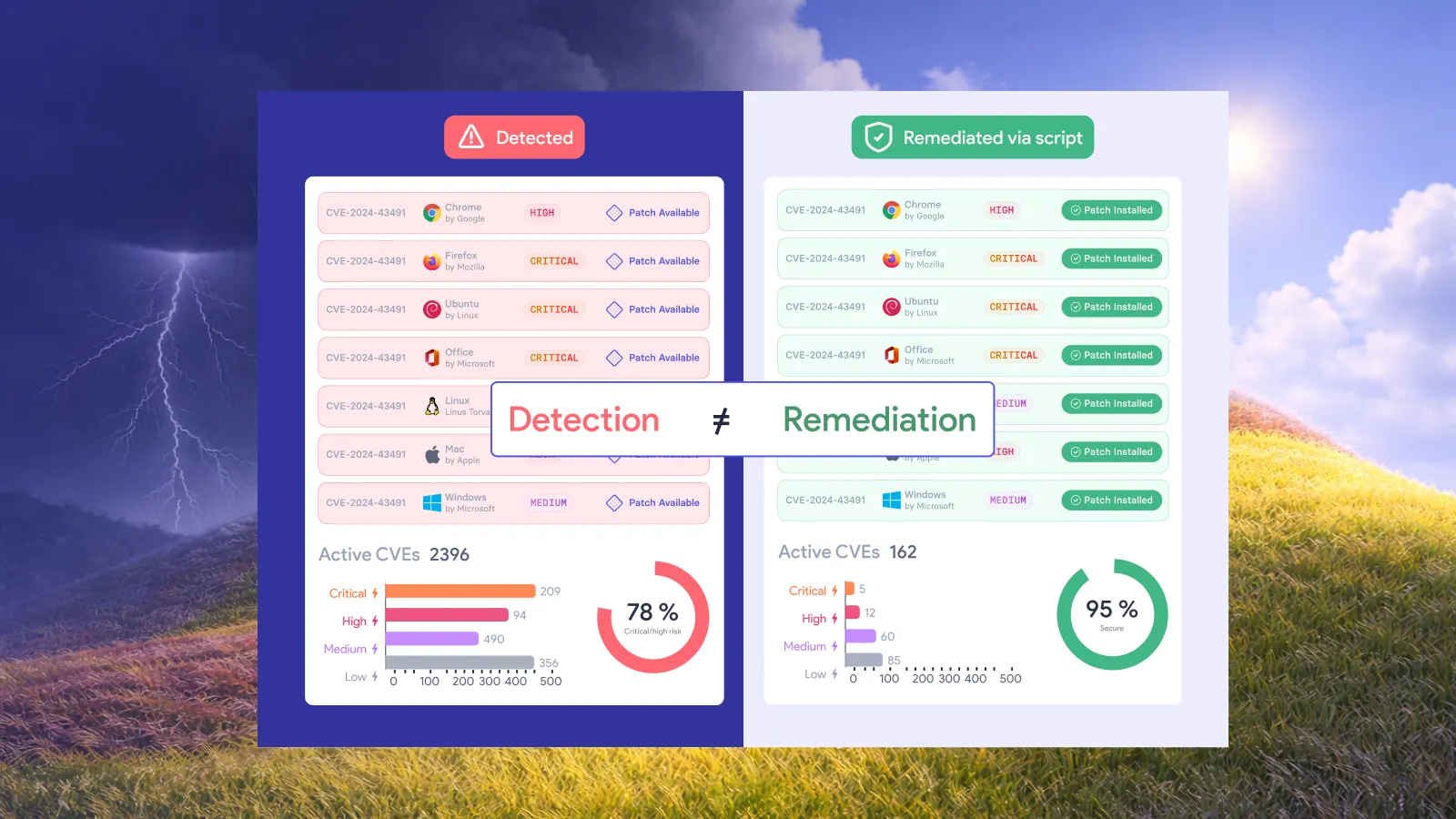
Vulnerability management is the whole cycle: discover assets, scan, prioritize, fix and verify. Vulnerability remediation is the fixing step: deploying a patch, changing a configuration, running a script or applying a compensating control. Many tools do the first part well and hand the second to other products.
Which vulnerability management tools include automated patching?
Vicarius vRx, Qualys, ManageEngine, SecPod Saner and Automox patch natively. Tenable (through Adaptiva), Rapid7 (through Automox, in Exposure Command) and CrowdStrike (through Falcon for IT) offer patching as a separate module. Microsoft Defender Vulnerability Management sends remediation requests to Intune, and Nucleus routes tickets to other tools.
Can a vulnerability management platform protect against zero-days?
Most can't, because they wait for a vendor patch. Qualys and Rapid7 offer configuration-based mitigations when a workaround has been published. Vicarius vRx protects vulnerable functions in memory, so it doesn't depend on a published workaround for that CVE.
How is patchless protection different from virtual patching?
Virtual patching usually means network controls, such as IPS signatures or web application firewall rules, that block known exploit traffic. Patchless protection in vRx runs on the device itself and protects the vulnerable application in memory. It also covers encrypted traffic and internal lateral movement that network controls may not see.
What is the best vulnerability management platform for mid-market companies?
Mid-market teams usually need one platform that covers detection and remediation without dedicated VM staff. Vicarius vRx fits mixed Windows, macOS and Linux environments. ManageEngine suits Windows-heavy teams on a budget, and SecPod Saner suits smaller teams that want one agent for scanning and patching.
How do vulnerability management platforms support compliance audits?
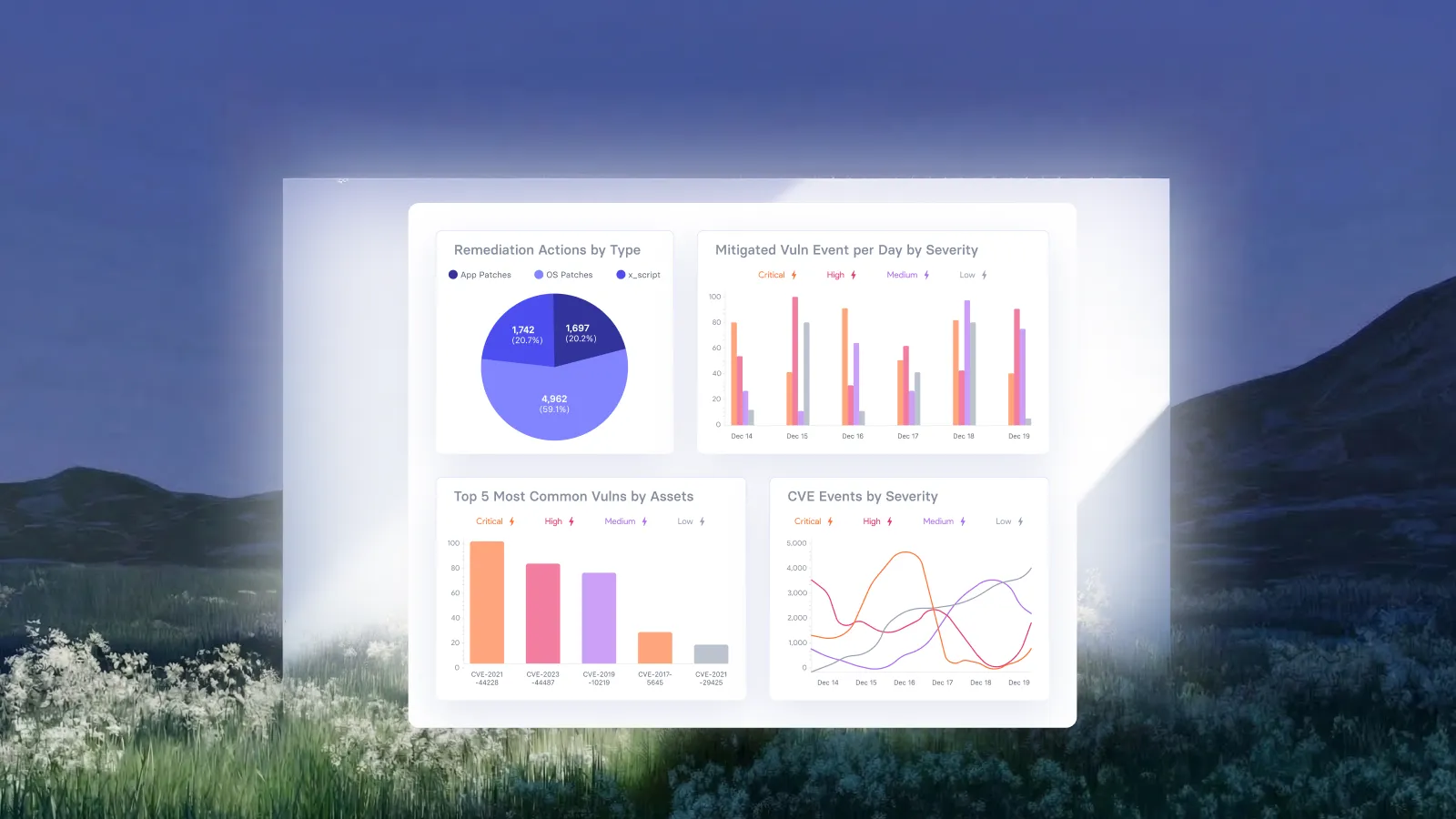
They log every scan, finding, fix and verification with timestamps and export reports mapped to frameworks such as CIS, PCI DSS and HIPAA. Auditors can then see that a specific CVE was found on a specific date and closed within its SLA, without teams assembling evidence by hand.
Why do some organizations run a separate scanner and patching tool?
Scanning and patching grew up as separate product categories, so many teams still buy them from different vendors. The cost is two contracts, an integration to maintain and a handoff where vulnerabilities wait for weeks. The trend now is consolidation onto platforms that do both.
See how vRx finds and fixes vulnerabilities in one platform: request a demo.
Sources
- 2025 CVE Data Review, Jerry Gamblin, January 2026
- The 2026 State of Endpoint Management Report, Automox, November 2025
- Tenable Patch Management overview, Tenable documentation
- Qualys unveils TruRisk Eliminate 2.0 with TruConfidence, Qualys, October 14, 2026
- Qualys announces TruRisk Eliminate, Qualys, July 2024
- Rapid7 launches Active Patching powered by Automox, Rapid7, July 22, 2025
- Falcon for IT Risk-based Patching, CrowdStrike, September 2025
- Defender Vulnerability Management FAQ, Microsoft Learn
- AI-powered vulnerability management and autonomous patching datasheet, NinjaOne, September 2026
- Saner Patch Management, SecPod
- Nucleus Security named 2026 SC Award winner, Nucleus Security